
Healing rarely happens all at once.
More often, it unfolds through relationship, reflection, consistency, and the small adjustments that help the body move toward greater balance over time. This is one of the reasons follow-up sessions matter so much.
An initial consultation helps us begin to understand the larger picture—your constitution, your current imbalances, your concerns, and the kinds of support that may be most helpful. But follow-up sessions are where we begin to listen more closely to how those supports are actually landing in the body and in daily life.

Why Follow-Up Sessions Matter
Ayurvedic healing is rarely a one-time event. It is a process of paying attention, responding to change, and learning what the body needs over time.
An initial consultation gives us a foundation. It helps identify the broader patterns at play and creates a starting point for support. But true healing often unfolds in the weeks and months that follow, as we begin to see what is shifting, what remains tender, and what needs to be refined.
This is where follow-up sessions become so valuable.
They provide a place to return, reflect, and stay in relationship with your healing process. Rather than approaching care as something fixed or rigid, follow-up sessions allow support to evolve as your body and life continue to change.
What Happens in a Follow-Up Session
In a follow-up session, there is space to reflect on what has changed, what is still present, and what feels most important now.
We may revisit:
digestion
sleep
energy
stress
emotional patterns
daily rhythm
elimination
how you are responding to herbs, food, and lifestyle support
Sometimes the session is about fine-tuning. Sometimes it is about simplifying. Sometimes it is about helping you stay steady during a season when a great deal is shifting.
A follow-up session is not simply a check-in. It is part of the healing process itself. It gives us a chance to listen more closely to what your body is communicating now, rather than relying only on where things began.
How Ayurvedic Care Changes Over Time
One of the most meaningful parts of Ayurvedic care is that it is responsive.
Your needs may not be the same from one month to the next. Digestion may improve while sleep still needs support. Energy may return while the nervous system still feels strained. One season of life may call for more warmth and grounding, while another may call for lightening, clearing, or deeper rest.
Because of this, Ayurvedic care works best when it remains flexible and relational.
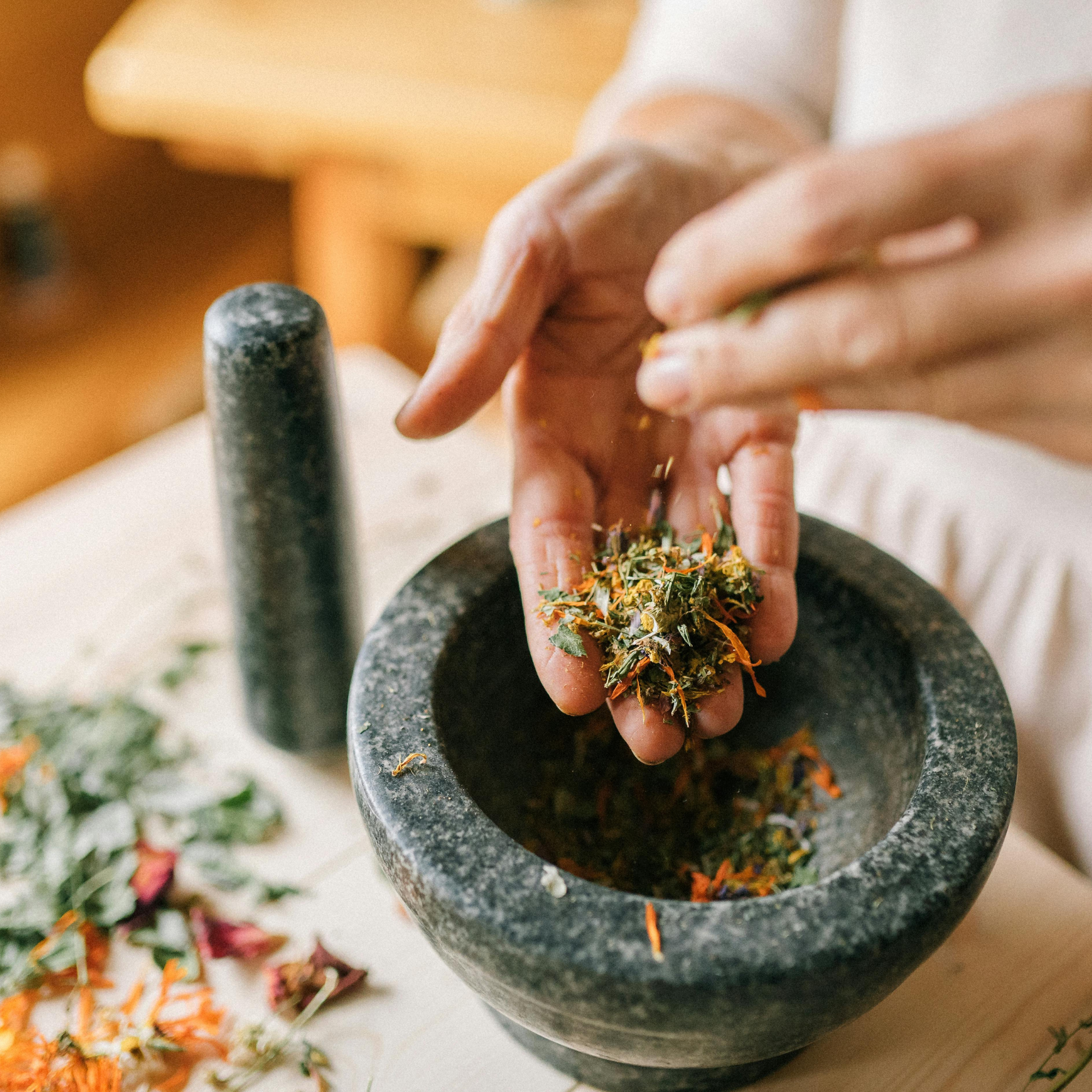
Follow-up sessions allow recommendations to shift as needed. Herbs may be adjusted. Food guidance may be refined. Daily rhythm may be simplified. Support may become more focused, more spacious, or more embodied depending on what is actually happening in your system.
This is one of the reasons I value follow-up care so deeply. It makes healing more personal, practical, and responsive.
What a Follow-Up Session May Support
Each follow-up session is shaped by what is most needed in that moment. There is no single formula.
For some people, follow-up care may support:
nervous system regulation
grounding and steadiness
digestive balance
emotional softening
deeper rest
clearer energy and flow
stress support
greater consistency with daily practices
a stronger connection to the body
The goal is not just to offer more information. The goal is to support meaningful change in a way that is sustainable and appropriate to your life.
Sometimes that means practical guidance. Sometimes it means deeper reflection. Sometimes it means creating a space where the body can begin to settle enough for healing to continue.
The Role of Marma in Follow-Up Care
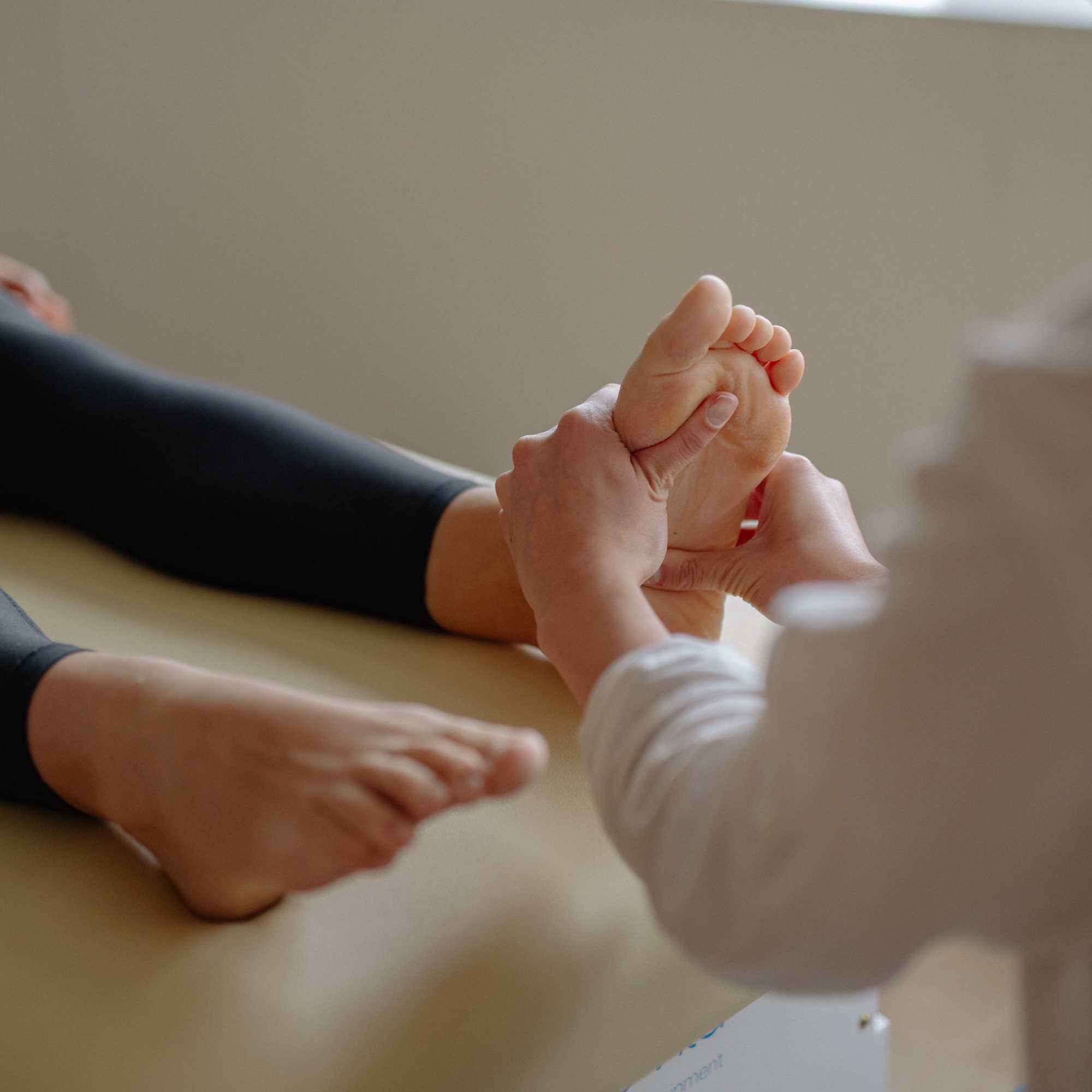
At times, I may incorporate Marma as part of a follow-up session when it feels supportive and appropriate.
Because Marma works through vital points on the body to support prana, grounding, and regulation, it can be a beautiful complement to the reflective side of Ayurvedic care. It offers a way for support to be felt not only through insight and instruction, but also through direct embodied experience.
For those who are feeling frayed, overwhelmed, depleted, or simply in need of deeper nervous system support, Marma can offer a gentler layer of care. It helps create a space where the body can soften, settle, and receive.
In this way, follow-up care may include both conversation and therapeutic support—both listening and touch—depending on what is most needed.
Healing as an Ongoing Process
Healing is rarely linear.
It unfolds through attention, patience, adjustment, and the willingness to stay in relationship with what is changing. Follow-up sessions help make that possible. They create space for care that is not rushed, not overly prescriptive, and not disconnected from the reality of daily life.
This is where healing often becomes more embodied. More nuanced. More integrated.
A follow-up session is not only about reviewing symptoms. It is about supporting the whole person as balance is gradually restored.
What I hope these sessions offer is not simply advice, but a deeper sense of support—care that meets you where you are and helps you continue moving toward greater clarity, steadiness, and ease.