
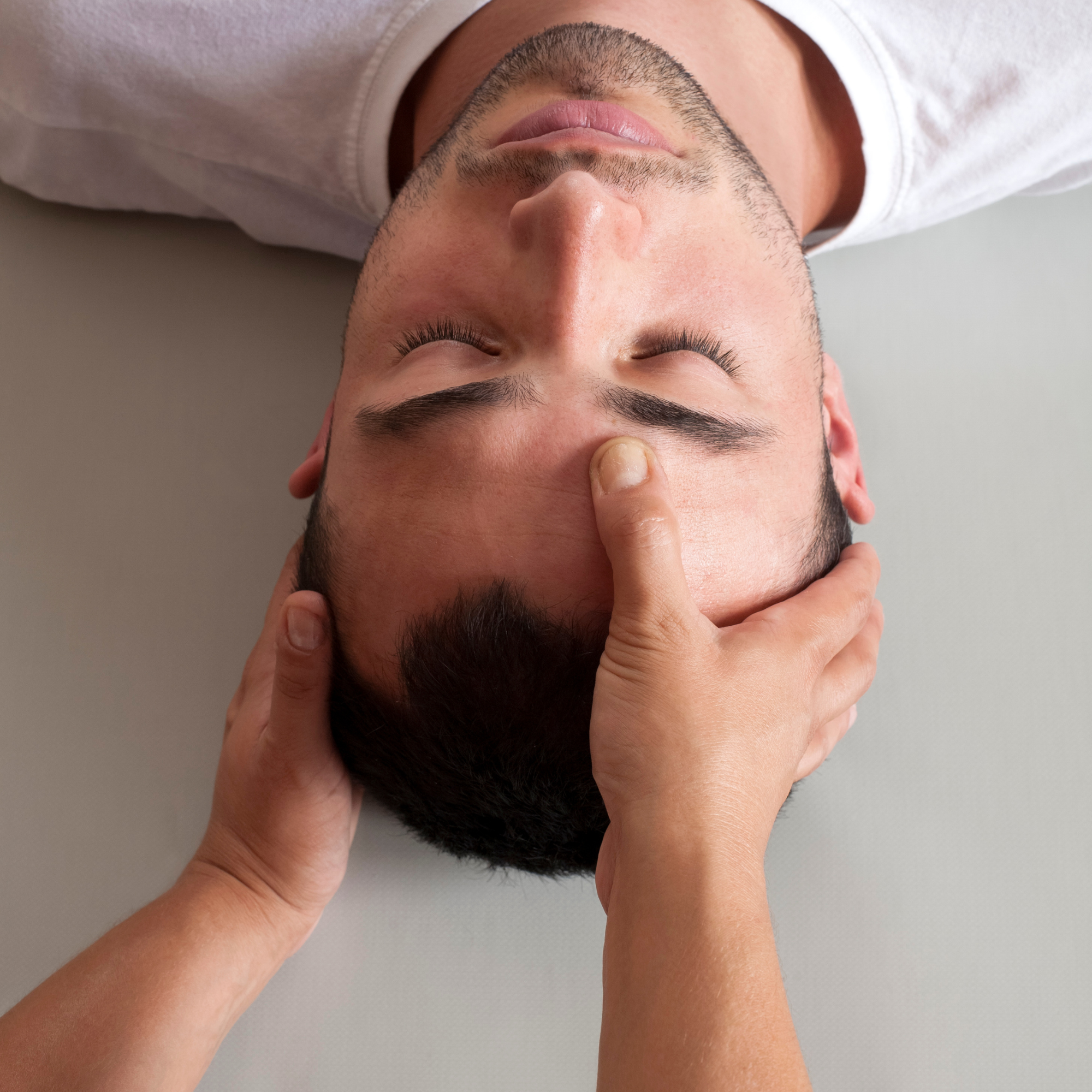
Marma: The Ayurvedic Art of Therapeutic Touch
There are times when words bring clarity. And there are times when the body needs something quieter.
Much of healing begins with understanding. We want to know what is happening, why we feel the way we do, and what steps might help us move toward balance. Insight matters. Reflection matters. Being witnessed matters.
And yet, there are also moments when the body is asking for something beyond explanation.
Sometimes tension lives in places language does not easily reach. Sometimes the nervous system is too activated to fully receive information. Sometimes a person understands what they need, but their body has not yet caught up to that understanding. In those moments, touch can become a different kind of medicine.
In Ayurveda, Marma therapy is one of the most subtle and profound ways we work with that kind of healing.
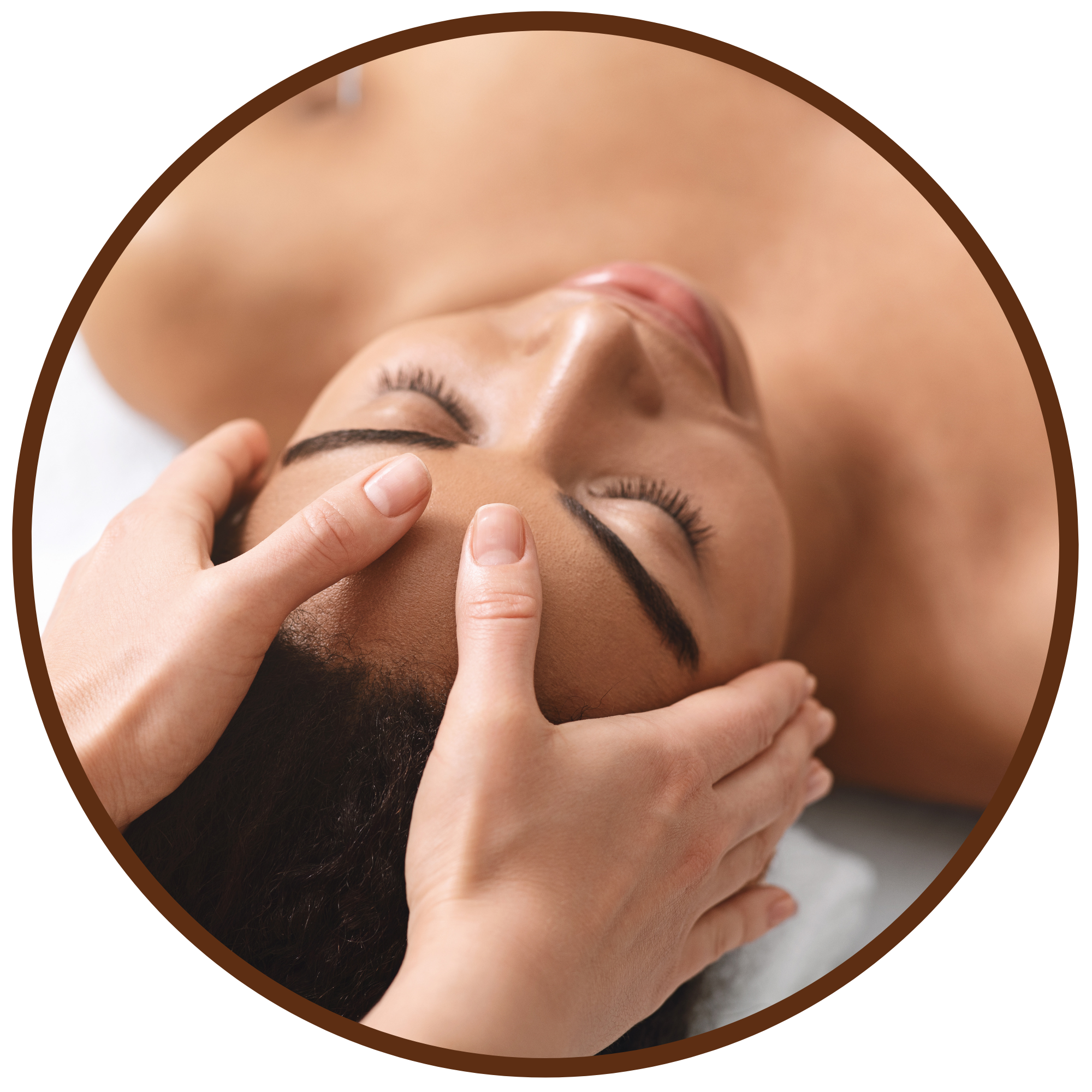
What Is Marma?
Marma refers to specific vital points on the body—places where muscles, veins, ligaments, bones, joints, prana, and consciousness intersect. These points are understood in Ayurveda as places of deep intelligence and influence, where the physical body and subtle body meet.
They are not random points. They are places of communication.
In classical Ayurvedic understanding, Marmani are significant because they are areas through which life force moves and through which the body can be deeply affected. When approached therapeutically and with care, these points can be used to support healing, balance, and the flow of prana throughout the system.
Marma therapy is often gentle. It is not forceful. It is not about intensity or manipulation. Instead, it works through presence, precision, and intentional touch.
How Marma Works
Ayurveda does not separate body, mind, energy, and spirit into unrelated categories. It sees them as part of one living, interconnected system. Marma reflects this beautifully.
Because Marma points are understood as intersections of structure and energy, working with them may influence multiple layers of experience at once. A point may have an effect on physical tension, breath, circulation, sensory settling, emotional softening, or the felt quality of being more present in the body.
Marma works not only through the mechanics of touch, but through relationship.
It offers the body an experience of communication—an invitation toward regulation, flow, and coherence. Sometimes the effects are obvious. Sometimes they are subtle. A deeper breath. A quieting of the mind. A softening in the jaw, chest, or belly. A sense that something has shifted, even if it is difficult to explain in words.
This is part of the beauty of Ayurvedic touch therapies: they often work at the meeting place between the tangible and the intangible.
Why Touch Matters
We live in a world full of information, but not always enough integration.
Many people know they are stressed. They know they need rest. They know they need to slow down, nourish themselves, or breathe more deeply. But knowing is not always the same as experiencing. The body often needs more than instruction. It needs contact. It needs safety. It needs to feel what support is.
Touch can help create that experience.
When offered with presence, skill, and respect, touch becomes more than physical contact. It becomes communication. It tells the body that it may not need to brace so hard. It helps create the conditions for the nervous system to soften, for the breath to deepen, and for awareness to return to places that may have gone numb, tense, or guarded.
This is one reason touch has always held such a meaningful place in traditional systems of healing. It can reach us in ways that words alone cannot.
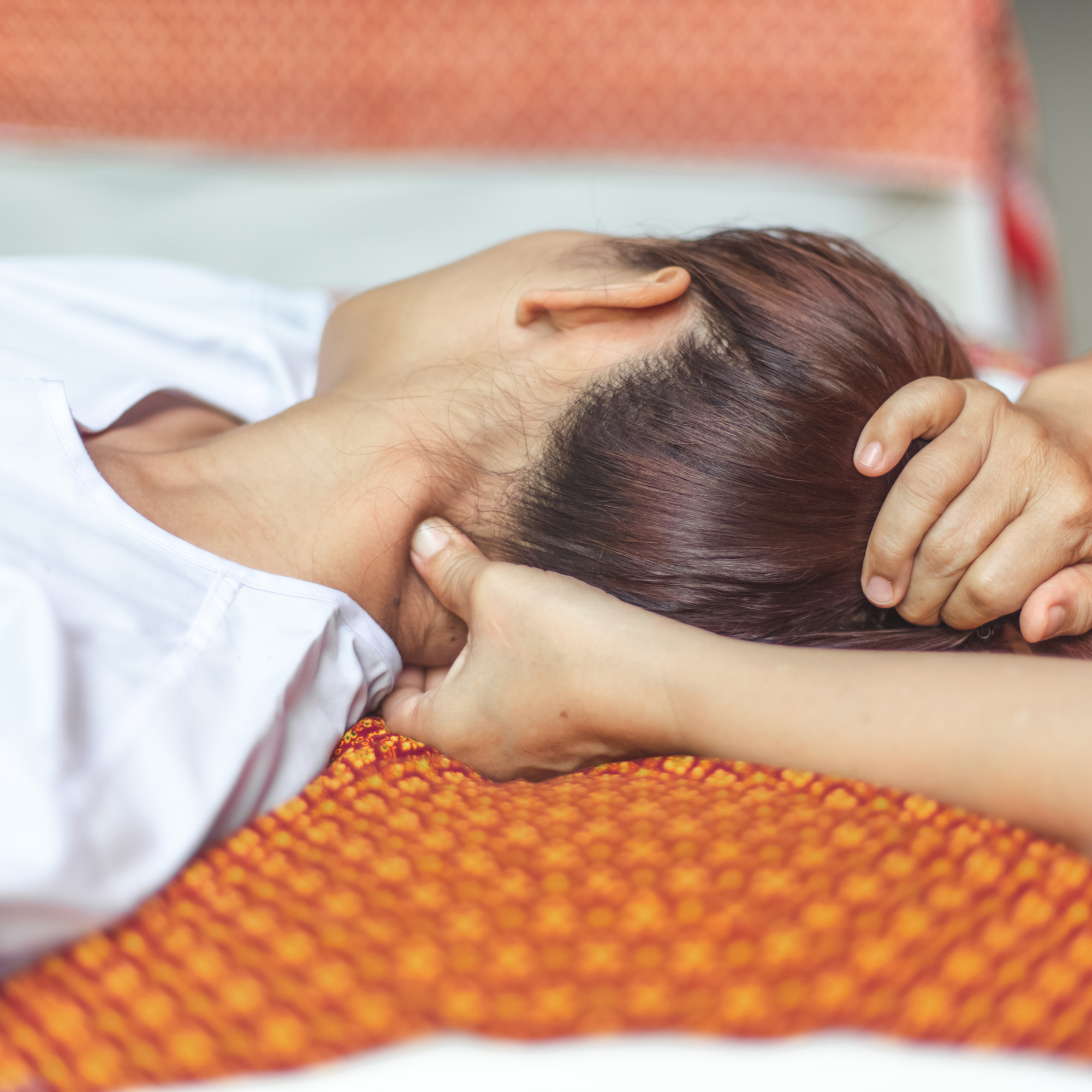
Marma and the Nervous System
One of the most profound aspects of Marma is the way it can support the nervous system.
Many people today are living with patterns of overstimulation, depletion, vigilance, and disconnection from the body. They may feel wired and tired at the same time. They may have difficulty settling, sleeping, digesting, or fully relaxing even when they know they need rest.
From an Ayurvedic perspective, these states often involve some degree of Vata aggravation—too much movement, instability, or dysregulation in the
system. Marma can be supportive because it meets the body gently. It does not demand. It invites.
Through intentional contact with vital points, Marma may help the system move toward greater steadiness, grounding, and calm. It offers a way of working that is subtle enough for sensitive systems and profound enough to create real shifts over time.
Why Marma Is Helpful
Marma may be supportive for many reasons.
It can help create a felt sense of grounding. It may support circulation and the flow of prana. It can encourage relaxation where there has been bracing, and awaken connection where there has been dullness or disconnection. It may support rest, digestion, emotional balance, and a greater sense of internal coherence.
But perhaps most importantly, Marma reminds us that healing is not always about doing more.
Sometimes it is about receiving.
Sometimes it is about creating enough quiet, enough presence, and enough support for the body to remember its own intelligence.
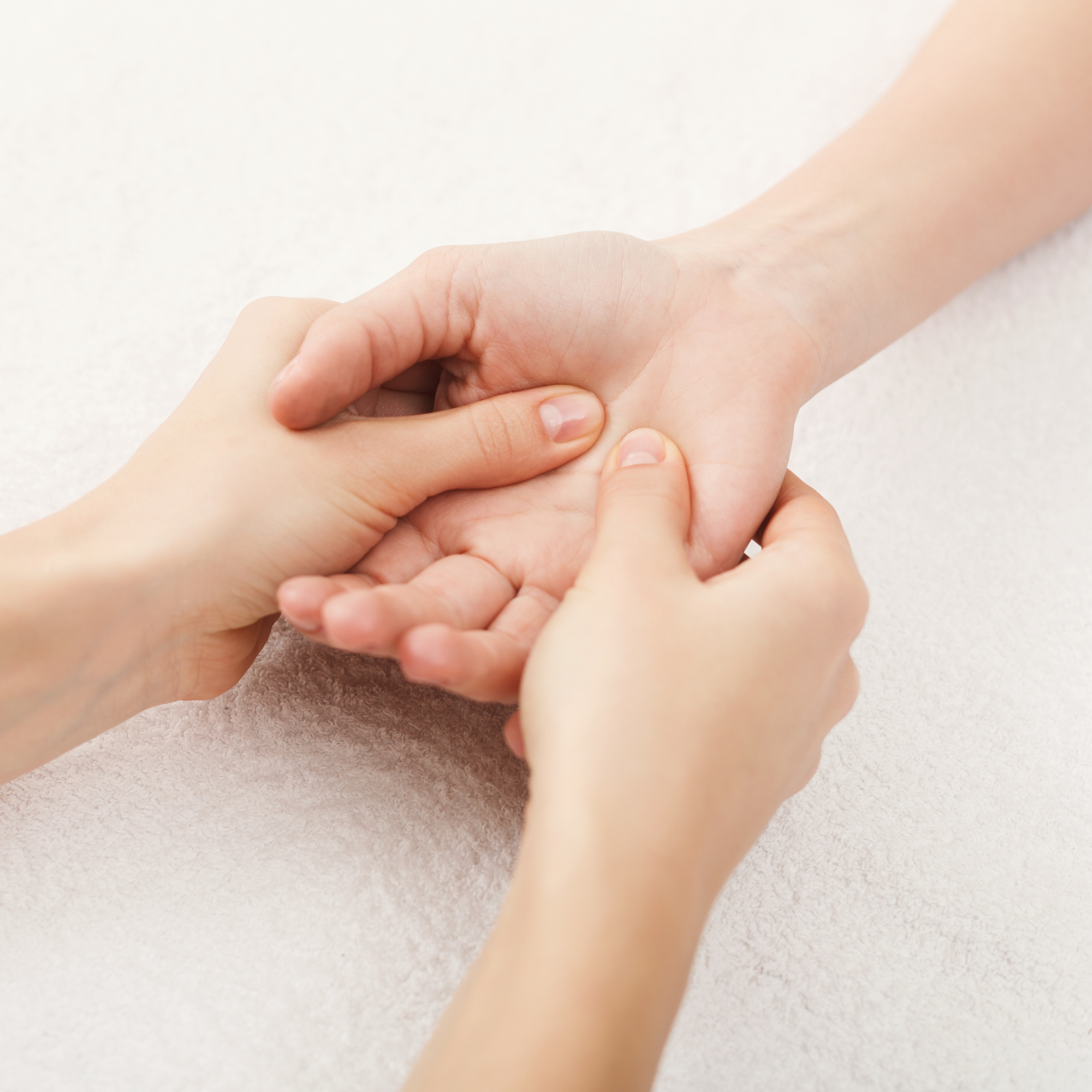
A Practice of Listening
One of the things I love most about Marma is that it is fundamentally a practice of listening.
It does not impose healing on the body. It listens for where the body is ready to respond. It honors subtlety. It honors timing. It honors the truth that healing is often relational rather than mechanical.
This makes Marma not only a therapeutic modality, but also a philosophy of care. It invites us to approach the body with respect, patience, and attentiveness. It reminds us that our systems are wise, and that sometimes what they need most is not force, but the right kind of contact.
Closing
There are times when healing comes through insight. And there are times when it comes through being gently met.
Marma belongs to that second kind of wisdom.
It is one of Ayurveda’s quiet arts—subtle, profound, and deeply rooted in the understanding that touch, presence, and prana all matter. In a world that often asks us to push through, Marma offers another possibility: that healing may also unfold through stillness, relationship, and the medicine of touch.