

Ayurveda teaches that each person is a unique expression of nature.
Just as the natural world is made of different qualities — warm and cool, dry and moist, light and heavy, still and moving — the body and mind also carry these qualities. They shape how we digest, sleep, think, move, respond to stress, experience emotion, and return to balance.
Ayurveda organizes these patterns through the doshas: Vata, Pitta, and Kapha.
The doshas are one of the most important concepts in Ayurveda. They are not personality types or fixed labels. They are living patterns of energy and function within the body and mind.
Understanding the doshas helps us ask:
What qualities are present?
What is out of balance?
What kind of support would bring the body back toward harmony?
What Are the Doshas?
The doshas are made from the five elements: ether, air, fire, water, and earth.
Each dosha represents a different combination of elements and qualities.
Vata is made of ether and air.
It governs movement, breath, communication, creativity, circulation, and the nervous system.
Pitta is made of fire and water.
It governs digestion, metabolism, transformation, focus, vision, and intensity.
Kapha is made of earth and water.
It governs structure, stability, lubrication, nourishment, endurance, and immunity.
All three doshas are present in everyone. They are necessary for life. The goal is not to get rid of a dosha. The goal is to understand how they are functioning and how to keep them in healthy relationship.
Your Constitution and Your Current Imbalance
Ayurveda looks at the doshas in two important ways: your natural constitution and your current imbalance.
Your natural constitution is called prakruti. This is the doshic pattern you were born with. It reflects your natural tendencies, strengths, body type, mental style, and the way you are designed to move through life.
Your current imbalance is called vikruti. This reflects what is happening now. Stress, season, age, diet, sleep, work, emotions, illness, and lifestyle can all shift the doshas out of balance.
For example, someone may have a naturally Pitta constitution but currently have a Vata imbalance due to stress, travel, poor sleep, or irregular meals.
This is why Ayurveda is so personalized.
It does not only ask, “What type are you?”
It asks:
Who are you by nature?
What is happening right now?
What qualities need to be balanced?
Vata: Movement, Creativity, and the Nervous System
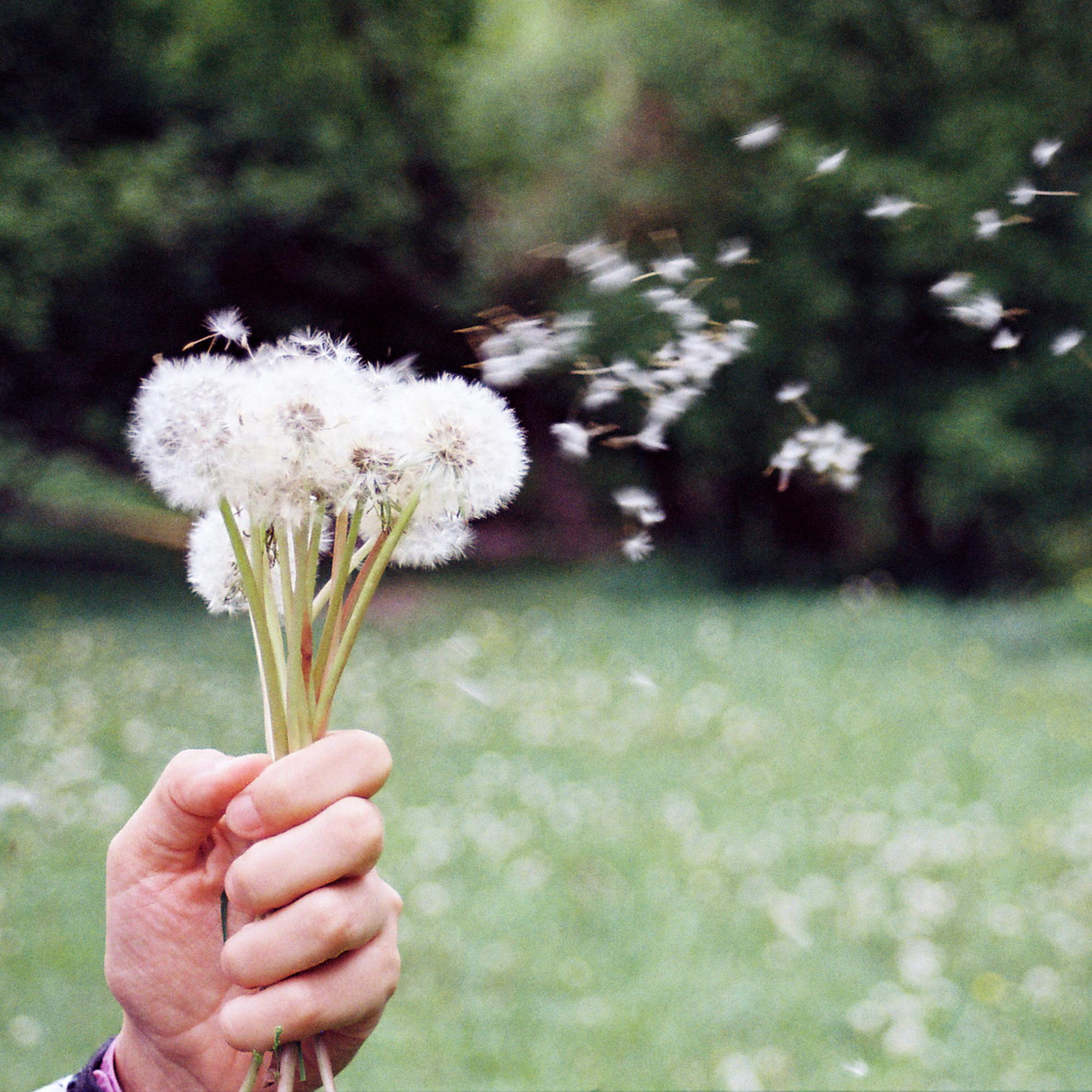
Vata is the principle of movement.
It governs breath, circulation, nerve impulses, elimination, speech, creativity, sensory processing, and the movement of thoughts and emotions.
When Vata is balanced, it brings inspiration, adaptability, imagination, enthusiasm, lightness, and flexibility.
When Vata is aggravated, there may be too much movement or irregularity.
Signs of Balanced Vata
Creativity and inspiration
Quick thinking
Adaptability
Enthusiasm
Lightness and flexibility
Clear communication
Healthy movement and elimination
Signs of Vata Imbalance
Anxiety, worry, or fear
Racing thoughts
Insomnia or light sleep
Dry skin or dryness in the body
Gas, bloating, or constipation
Irregular appetite
Feeling scattered or ungrounded
Cold hands and feet
Nervous system sensitivity
Feeling tired but wired
Vata is increased by cold, dry, irregular, fast, overstimulating, and unpredictable conditions.
Vata is balanced by warmth, routine, nourishment, oil, grounding, rest, and steadiness.
A simple Vata question:
What would help me feel safe, warm, and grounded?
Pitta: Transformation, Digestion, and Clarity

Pitta is the principle of transformation.
It governs digestion, metabolism, body temperature, perception, intellect, courage, ambition, and the ability to process life.
When Pitta is balanced, it brings clarity, focus, confidence, discipline, leadership, strong digestion, and purposeful action.
When Pitta is aggravated, there may be too much heat, sharpness, or intensity.
Signs of Balanced Pitta
Clear thinking
Strong digestion
Healthy ambition
Confidence
Good discernment
Courage
Warmth and enthusiasm
Ability to complete tasks
Signs of Pitta Imbalance
Irritability or anger
Acid reflux or burning digestion
Inflammation
Loose stools
Skin rashes or redness
Headaches related to heat or intensity
Perfectionism or criticism
Feeling overheated
Waking in the night with a busy mind
Sharp hunger or blood sugar sensitivity
Pitta is increased by heat, intensity, overwork, spicy foods, competition, alcohol, anger, and excessive pressure.
Pitta is balanced by cooling, moderation, softness, spaciousness, compassion, and rest.
A simple Pitta question:
What would help me soften, cool, and create more ease?
Kapha: Stability, Nourishment, and Strength
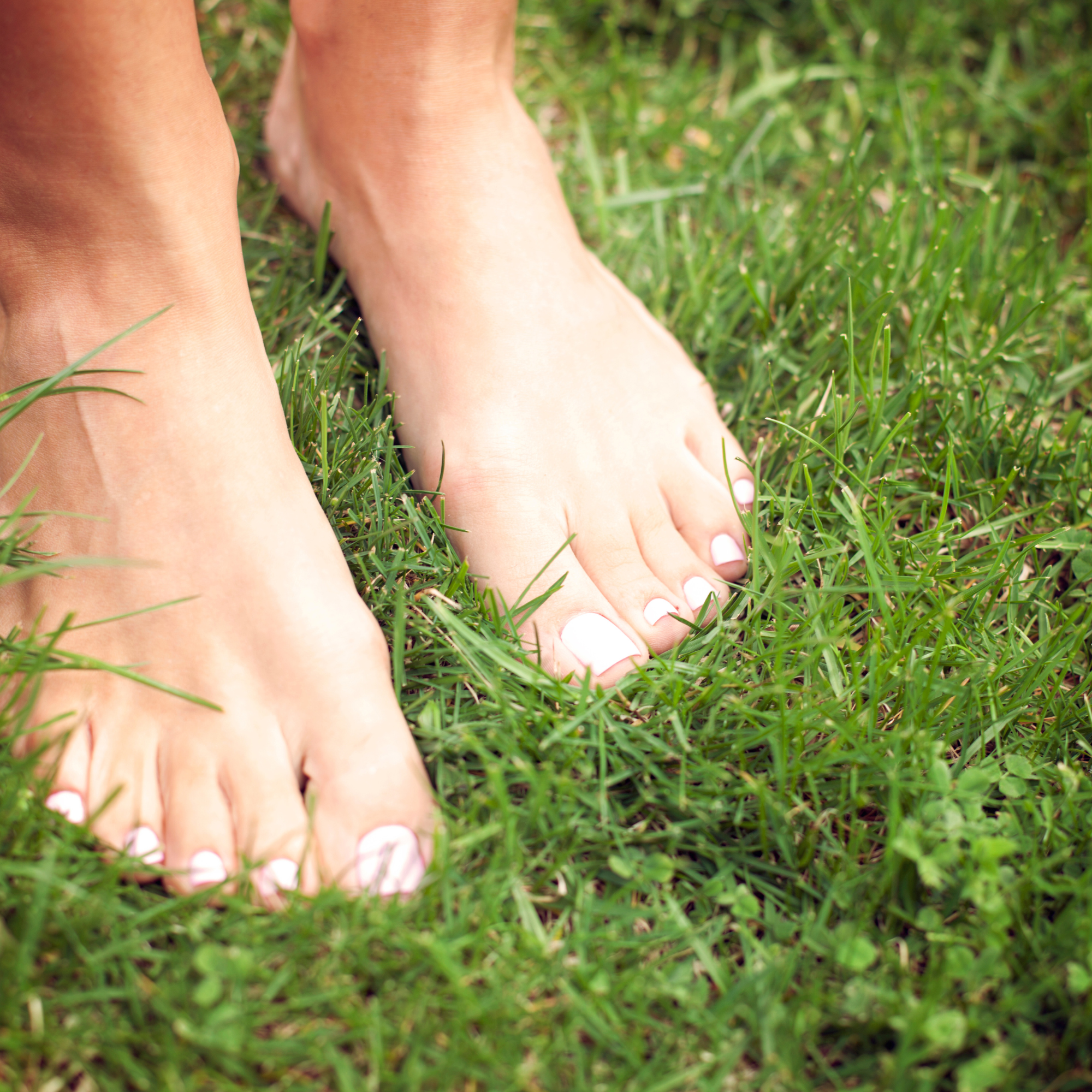
Kapha is the principle of structure and cohesion.
It governs the body’s tissues, joints, fluids, immunity, endurance, emotional steadiness, and the ability to feel grounded and supported.
When Kapha is balanced, it brings strength, patience, loyalty, compassion, steadiness, healthy immunity, and deep nourishment.
When Kapha is aggravated, there may be too much heaviness, dampness, or stagnation.
Signs of Balanced Kapha
Stability and endurance
Strong immunity
Patience
Emotional steadiness
Healthy strength
Good long-term memory
Calm presence
Nourishment and resilience
Signs of Kapha Imbalance
Sluggishness or low motivation
Heaviness after meals
Slow digestion
Congestion or mucus
Water retention
Brain fog
Oversleeping
Emotional heaviness
Cravings for sweets or comfort foods
Feeling stuck or resistant to change
Kapha is increased by cold, damp, heavy, oily, sweet, sedentary, and overly repetitive conditions.
Kapha is balanced by warmth, movement, lightness, stimulation, dryness, and fresh energy.
A simple Kapha question:
What would help me move, lighten, and awaken?
The Doshas Are Patterns, Not Boxes
It can be tempting to use the doshas as labels: “I am Vata,” “I am Pitta,” or “I am Kapha.”
But Ayurveda is more subtle than that.
You are not one dosha.
You are a living, changing person with all three doshas present. Your constitution matters, but so does your current season of life, your stress level, your digestion, your sleep, your emotions, your environment, and the actual qualities present in your body.
The doshas are not meant to limit you.
They are meant to help you listen.
Like Increases Like, Opposites Balance
One of Ayurveda’s most practical teachings is:
Like increases like, and opposites balance.
If the body is already dry, more dryness may increase imbalance.
If the body is already hot, more heat may increase imbalance.
If the body is already heavy, more heaviness may increase imbalance.
To restore balance, Ayurveda brings in the opposite quality.
Dryness may need moisture.
Heat may need cooling.
Heaviness may need lightness.
Irregularity may need rhythm.
Stagnation may need movement.
Intensity may need softness.
This simple principle can guide food, herbs, spices, routines, movement, sleep, and self-care.
Doshas and Daily Life
The doshas show up everywhere.
They influence digestion, sleep, stress, immunity, energy, emotions, and seasonal patterns.
A Vata person may need more routine and grounding during busy transitions.
A Pitta person may need more cooling and spaciousness during intense periods.
A Kapha person may need more movement and lightness when life becomes stagnant.
The doshas also change with the seasons.
Vata often increases in fall and windy, dry conditions.
Pitta often increases in summer and hot conditions.
Kapha often increases in spring and cold, damp conditions.
This is why Ayurveda connects daily rhythm, seasonal living, food, herbs, and self-care. Everything is connected.
How the Doshas Guide Support
Understanding your dosha pattern can help you choose supportive practices more wisely.
If Vata is high, you may benefit from:
Warm cooked foods
Regular meals
Oil massage
Gentle grounding movement
Warm teas
Restorative practices
Earlier bedtime
Less sensory overload
If Pitta is high, you may benefit from:
Cooling foods and herbs
Time in nature
Gentle movement
Spaciousness in the schedule
Less intensity
Soothing teas
Rest from over-effort
Practices that soften the mind
If Kapha is high, you may benefit from:
Warming spices
Daily movement
Lighter meals
Dry brushing
Fresh air
Energizing routines
Reducing heaviness
Practices that create momentum
These are not rigid rules. They are starting points for listening.
Tea, Taste, and the Doshas
Tea and herbs are beautiful ways to work with the doshas because they carry taste, temperature, energy, and ritual.
A warming tea may help ground Vata or awaken Kapha.
A cooling tea may help soothe Pitta.
A light, spicy tea may help clear heaviness.
A nourishing tea may help rebuild depletion.
At Conscious Nectar, our teas and spice blends are created with this kind of Ayurvedic intelligence. Each blend is designed to support relationship — with digestion, energy, season, rhythm, and the unique needs of the person.
Tea becomes more than a drink.
It becomes a way to practice balance.
A Simple Practice to Try Today
Pause and notice the qualities present in your body today.
Do you feel dry or moist?
Hot or cold?
Light or heavy?
Fast or slow?
Scattered or steady?
Sharp or dull?
Stuck or moving?
Then ask:
What opposite quality would bring me closer to balance?
Maybe you need warmth.
Maybe you need cooling.
Maybe you need movement.
Maybe you need rest.
Maybe you need oil.
Maybe you need lightness.
Maybe you need grounding.
This is the beginning of Ayurvedic wisdom.
Not labeling yourself.
Listening to yourself.
One quality at a time.
One choice at a time.
One return to balance at a time.
Curious about your own dosha pattern? Conscious Nectar offers Ayurvedic consultations and classes to help you understand your constitution, current imbalances, and the practices that can support your path back to balance.