
Ritucharya and the Ayurvedic Wisdom of Spring
In Ayurveda, health is not only about what we eat or which herbs we take. It is also about relationship.
Relationship to the body.
Relationship to time.
Relationship to the rhythms of nature.
Relationship to the season we are actually living in.
This is part of the wisdom of ritucharya—the Ayurvedic practice of aligning our lifestyle with the cycles of the seasons.
Rather than expecting the body to function the same way all year long, Ayurveda teaches us to pay attention to how the environment changes and to adjust our food, habits, energy, and self-care accordingly. Each season brings its own qualities, challenges, and opportunities. When we live in harmony with those shifts, we support the body’s natural intelligence and help preserve balance more gently over time.
Spring is one of the most powerful seasons in which to practice this wisdom.
What Is Ritucharya?
The Sanskrit word ritucharya is often translated as “seasonal routine” or “seasonal discipline,” but its meaning is deeper than a set of rules.
Ritucharya is the practice of living in response to the season. It recognizes that we are not separate from the natural world. The qualities that arise outside of us—cold, heat, dampness, dryness, heaviness, lightness—also affect what happens within us. Our digestion, energy, mood, sleep, immunity, and resilience are all influenced by these changes.
Ayurveda asks us to notice those shifts and respond with care.
This may mean eating differently in spring than in winter. Sleeping differently in summer than in fall. Choosing herbs, movement, daily practices, and rhythms that bring balance to the qualities most present in the environment.
Ritucharya teaches us to stop living as though every season asks the same thing of us.

Why Seasonal Living Matters
Modern life often asks us to maintain the same pace, same productivity, and same habits all year long. But the body is not built that way.
We are cyclical beings living inside a cyclical world.
There are times for greater outward energy and times for more restoration. Times when the body is ready for lighter foods and times when it needs more grounding. Times when heat rises, times when dryness increases, times when heaviness accumulates.
When we ignore these shifts, we may begin to feel out of sync. Digestion may become less steady. Sleep may change. Energy may feel dull or overly scattered. Mood may become more reactive. The body may start showing signs that it is struggling to adapt.
Ritucharya offers a way back into rhythm.
It helps us understand that wellness is not only about fixing symptoms after they arise. It is also about living in a way that supports prevention, adaptation, and seasonal harmony.
Spring as a Season of Transition
Spring is a threshold season.
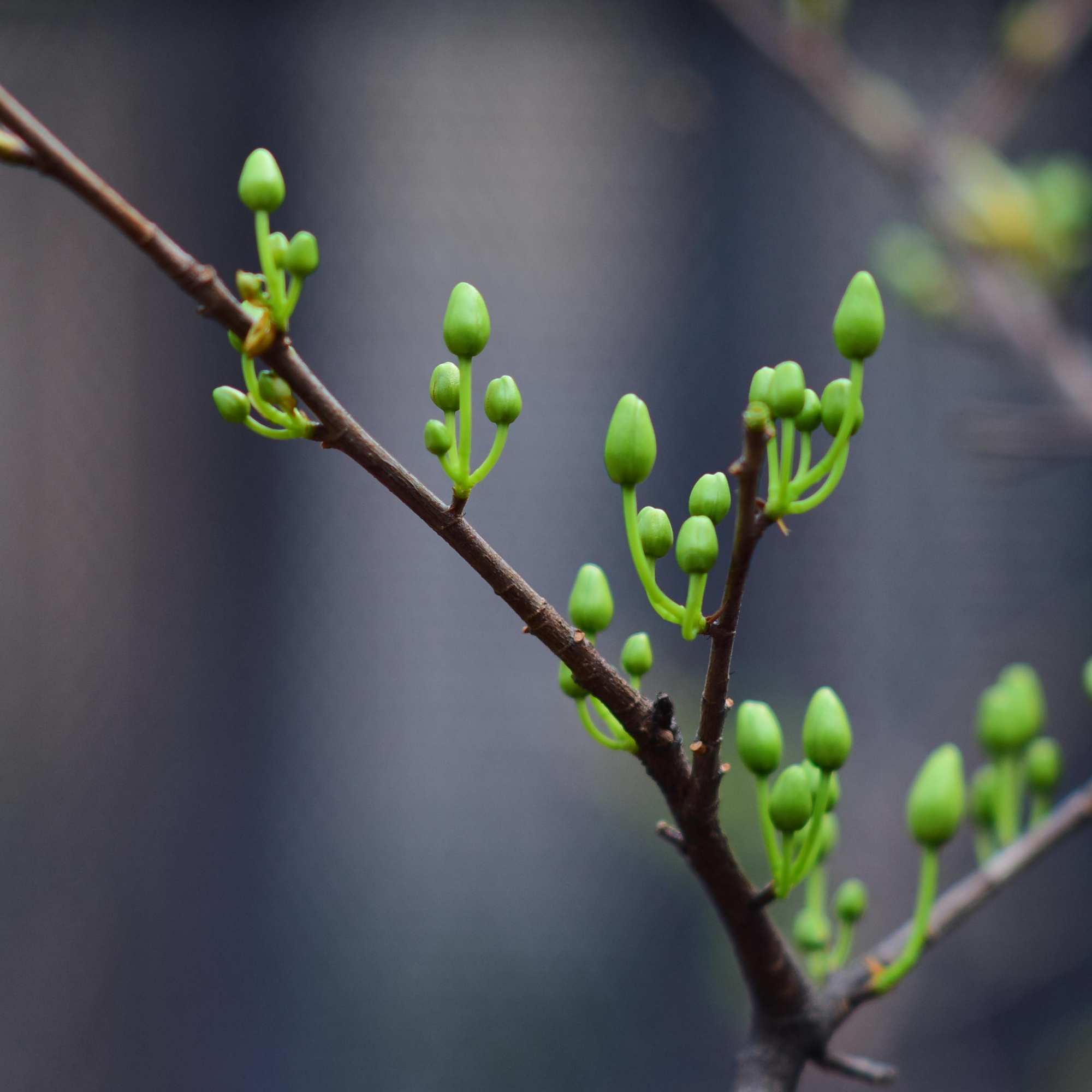
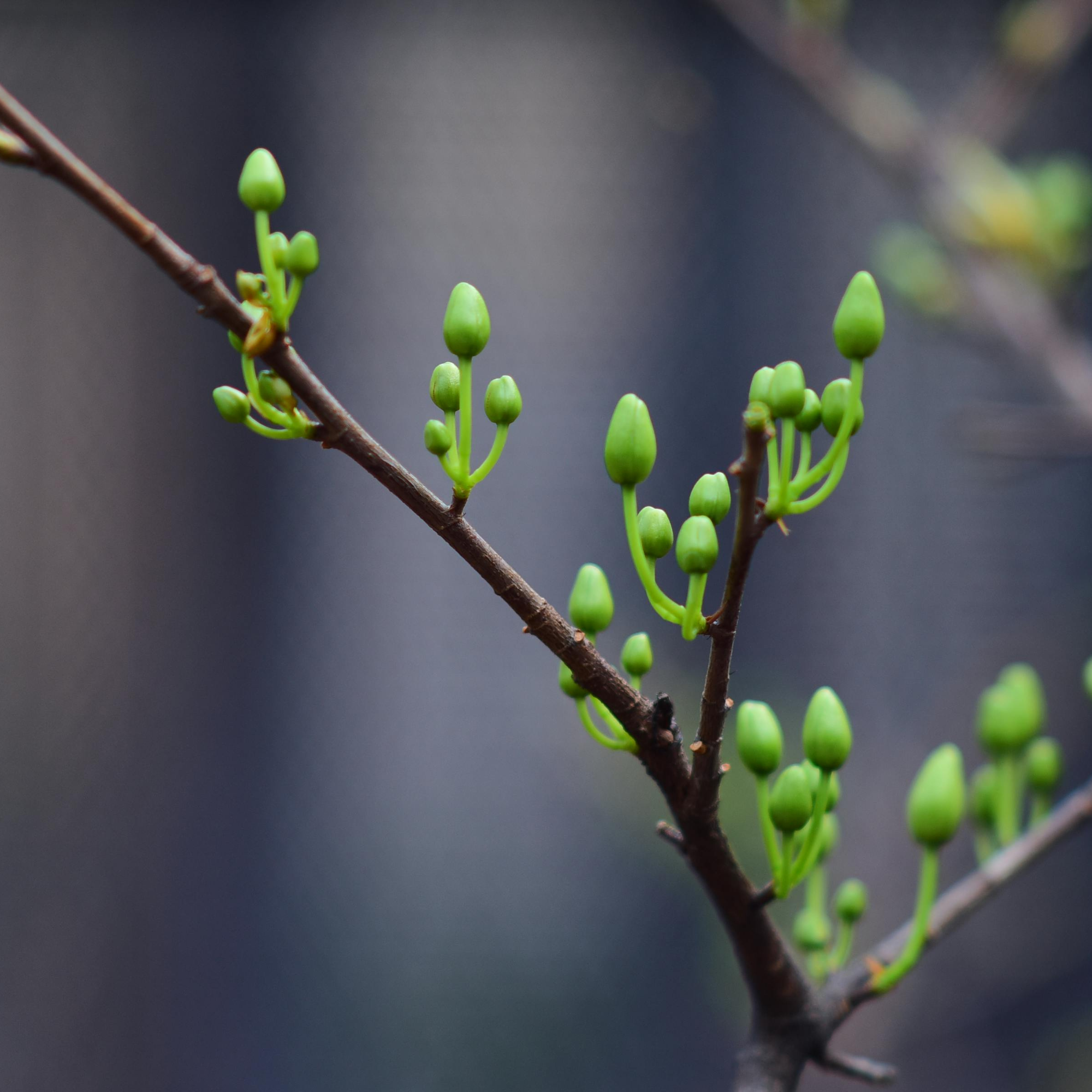
It carries both the lingering heaviness of winter and the rising energy of new life. The earth softens. Moisture increases. Dormancy begins to break open. Things that have been held start to loosen and move.
In Ayurveda, spring is closely associated with Kapha dosha, which carries qualities like heaviness, coolness, moisture, slowness, softness, and density. These qualities are not inherently problematic. In fact, they are essential to life. But in excess, they may contribute to congestion, sluggish digestion, puffiness, lethargy, excess mucus, emotional heaviness, and the feeling of being a little stuck.
This is why spring ritucharya often emphasizes:
lightening
warming
drying
awakening
movement
stimulation of digestion
gentle clearing
Not in a punishing way. Not through harsh self-denial. But through the simple, intelligent adjustments that help the body move with the season rather than against it.
How to Practice Ritucharya in Spring
One of the most beautiful things about Ayurveda is that seasonal living does not need to be elaborate. Often, it is built through small daily choices that gently shift the body toward balance.
Favor Warmth and Lightness
As spring arrives, many people do well with foods that are a little lighter, warmer, and easier to digest than what served them in winter.
This may mean emphasizing:
cooked vegetables
bitter greens
legumes
soups
lighter grains
digestive spices
warm water and herbal teas
And gently reducing foods that increase heaviness, such as:
excess dairy
fried foods
overly oily meals
cold foods and drinks
too much sugar
dense leftovers
rich comfort foods that linger from winter habits
This is not about restriction. It is about creating conditions that support clarity and movement.
Support Digestive Fire
In Ayurveda, spring is often a time to tend agni, the digestive fire, with extra care. When Kapha accumulates, digestion can become dull, slow, or heavy.
Simple ways to support digestion may include:
drinking warm water
using spices like ginger, cumin, coriander, fennel, cinnamon, or black pepper
eating meals at regular times
avoiding overeating
reducing constant snacking
choosing foods that leave you feeling nourished but not weighed down
When agni is supported, the whole system tends to function more clearly.
Create Daily Movement
Spring is a wonderful time to move the body in ways that create circulation, warmth, and aliveness.
This does not have to mean intense exercise, though some people naturally crave more activity in spring. It may be as simple as:
a brisk morning walk
yoga
qigong
hiking
dance
invigorating breathwork
dry brushing before bathing
anything that helps the body feel less stagnant
Movement is one of the most direct ways to work with excess Kapha. It helps shift heaviness, enliven the mind, stimulate digestion, and support the body’s natural desire to thaw and circulate.
Awaken the Senses
Ritucharya is not only about food and exercise. It is also about the quality of our daily experience.
Spring can be supported by practices that bring brightness, clarity, and subtle stimulation to the senses:
opening the windows
letting in fresh air
spending time in morning light
using uplifting aromas
wearing brighter colors
clearing clutter
listening to energizing music
spending time outside as the world begins to bloom
Ayurveda understands that the mind is influenced by sensory life. When we bring in freshness and movement, the inner landscape often begins to respond.
Live With More Awareness of Rhythm
At its heart, ritucharya is about rhythm.
It is the practice of asking:
What season is it?
What qualities are most present?
How is my body responding?
What small shifts would bring me into better balance?
This kind of awareness changes the way we care for ourselves. Instead of forcing the body to follow fixed rules, we begin learning how to listen and adjust.
That is the deeper gift of seasonal living. It makes health more relational, more intuitive, and more sustainable.
Seasonal Living as a Form of Compassion
One of the reasons I love ritucharya so much is that it offers a compassionate framework for wellness.
It reminds us that we are not meant to be the same in every season. We are not meant to eat the same foods, hold the same pace, need the same supports, or move through the world in exactly the same way all year long.
There is wisdom in adaptation.
There is wisdom in noticing when the body needs more warmth, more lightness, more stimulation, more rest, or more simplicity. There is wisdom in allowing care to change as the season changes.
Ritucharya invites us out of rigidity and into relationship.
An Invitation Into Spring Practice
Spring does not ask us to become extreme. It asks us to become attentive.
To notice where there is heaviness.
To support what is ready to move.
To bring warmth to what feels cold.
To bring lightness to what feels dense.
To align more lovingly with the season we are actually living in.
This is the heart of ritucharya.
Not perfection.
Not pressure.
But participation.
A way of living that remembers we belong to the rhythms of the natural world.