

In Ayurveda, immunity is not seen as something separate from the rest of the body. It is connected to digestion, sleep, nourishment, rhythm, emotional steadiness, seasonal care, and the body’s ability to recover from daily life.
True vitality is not simply having more energy.
It is the feeling of being well-resourced from within.
When immunity and vitality are strong, we may feel steady, resilient, clear, nourished, and able to meet life without becoming easily depleted. When they are low, we may notice fatigue, frequent illness, slow recovery, inflammation, poor digestion, disturbed sleep, or a sense that the body is running on empty.
Ayurveda reminds us that resilience is cultivated over time.
One meal, one breath, one rhythm, one season at a time.
Immunity Begins with Digestion
Ayurveda teaches that strong immunity begins with strong digestion.

This is because the body must be able to transform food into nourishment. If digestion is weak, irregular, overheated, or sluggish, even healthy foods may not be fully assimilated. Over time, this can affect energy, tissue strength, clarity, elimination, and immune resilience.
The digestive fire, known as agni, helps the body break down food, absorb nutrients, and eliminate waste. When agni is balanced, we create nourishment. When agni is disturbed, the body may produce ama, or undigested residue, which can contribute to heaviness, stagnation, inflammation, fatigue, and imbalance.
This is why Ayurveda often begins immune support by asking:
How is your digestion?
How is your appetite?
How do you feel after eating?
Are you eliminating well?
Do you feel nourished?
Immunity is not only about fighting something off. It is about creating a body that is deeply supported.
Ojas: The Essence of Vitality
One of the most important Ayurvedic concepts connected to immunity is ojas.

Ojas is often described as the subtle essence of vitality, resilience, strength, nourishment, and immunity. It is what gives the body endurance and the mind steadiness. When ojas is strong, we may feel grounded, luminous, emotionally steady, and able to recover from stress.
When ojas is depleted, we may feel fragile, dry, anxious, exhausted, easily overwhelmed, or slow to heal.
Ojas is built through consistent nourishment, good digestion, deep sleep, loving relationships, appropriate herbs, seasonal care, and a life that allows moments of rest and joy.
It is depleted by overwork, chronic stress, poor sleep, excessive stimulation, grief, depletion, irregular eating, and pushing beyond our capacity for too long.
Ayurveda teaches us to protect ojas, not burn through it.
Signs Immunity and Vitality May Need Support
Your body may be asking for immune or vitality support if you notice:
Frequent colds or lingering illness
Slow recovery after stress, travel, or exertion
Low energy or chronic fatigue
Feeling depleted even after rest
Brain fog or lack of clarity
Poor digestion or low appetite
Inflammation or a sense of heat in the body
Dryness, weakness, or lack of resilience
Interrupted sleep
Emotional sensitivity or feeling easily overwhelmed
Cravings for sugar, caffeine, or quick energy
Feeling disconnected from joy or vitality
These signs are not failures. They are body clues. They are invitations to rebuild from the inside out.
The Three Vitality Patterns
Ayurveda looks at immunity and vitality through the lens of Vata, Pitta, and Kapha. Each dosha has its own way of becoming depleted or imbalanced.
Vata Vitality: Depleted and Unsteady
When Vata is high, vitality may feel fragile. You may feel anxious, dry, restless, scattered, undernourished, or easily exhausted. Sleep may be light, digestion irregular, and energy inconsistent.
Vata immunity often needs warmth, nourishment, rest, rhythm, and grounding.
Supportive practices may include warm cooked meals, healthy oils, regular sleep, gentle routines, restorative practices, abhyanga, and herbs or teas that nourish and calm.
For Vata, vitality is rebuilt through consistency and deep nourishment.
Pitta Vitality: Burned Out and Inflamed
When Pitta is high, vitality may be affected by intensity, overwork, inflammation, heat, irritability, perfectionism, or pushing too hard for too long. Energy may be strong at first, but eventually the body may feel burned out.
Pitta immunity often needs cooling, moderation, spaciousness, emotional softness, and anti-inflammatory support.
Supportive practices may include cooling foods, bitter greens, time in nature, reducing overstimulation, gentle movement, cooling herbs, and rest that is not earned through exhaustion.
For Pitta, vitality is rebuilt through softening and replenishing instead of forcing.
Kapha Vitality: Heavy and Stagnant
When Kapha is high, vitality may feel heavy, sluggish, dull, or stuck. There may be low motivation, congestion, slow digestion, water retention, or a sense of inertia.
Kapha immunity often needs warmth, lightness, movement, circulation, and stimulation.
Supportive practices may include warming spices, lighter meals, daily movement, dry brushing, early waking, fresh air, and herbs or teas that help clear heaviness and awaken digestion.
For Kapha, vitality is rebuilt through movement, warmth, and gentle activation.
Food as Immune Support

In Ayurveda, food is one of the most important forms of medicine.
The goal is not to eat perfectly. The goal is to eat in a way that the body can digest and transform into strength.
Simple immune-supportive food practices may include:
Eating warm, cooked meals
Favoring seasonal foods
Using digestive spices
Eating at regular times
Avoiding overeating
Choosing fresh, whole foods when possible
Supporting elimination
Eating in a calm environment
Choosing foods that match your constitution and the season
A simple meal made with care may be more nourishing than a complicated meal eaten in stress.
Daily Rhythm and Resilience
The immune system loves rhythm.

Regular sleep, consistent meals, morning light, movement, rest, and daily rituals all help the body know what to expect. This steadiness supports the nervous system, digestion, hormones, and immune function.
Ayurveda calls daily rhythm dinacharya.
Dinacharya does not have to be elaborate. It can begin with one simple anchor:
Warm water in the morning.
A regular lunch.
A walk after dinner.
A few breaths before meals.
Oiling the feet before bed.
Turning screens off earlier.
Small rhythms repeated over time become deep medicine.
Seasonal Care for Immunity

Ayurveda also teaches that immunity is seasonal.
The body does not need the same support in summer that it needs in winter. Each season brings different qualities, and each season asks us to adjust.
In colder seasons, the body may need warmth, oil, cooked foods, spices, and protection from depletion.
In spring, the body may need lightness, movement, bitter greens, warming spices, and support for clearing stagnation.
In summer, the body may need cooling foods, hydration, rest from excess heat, and herbs that soothe Pitta.
In fall, the body may need grounding, moisture, warm meals, routine, and nervous system support.
Seasonal care helps us stay in relationship with nature instead of fighting against it.
Herbs, Spices, and Teas for Vitality
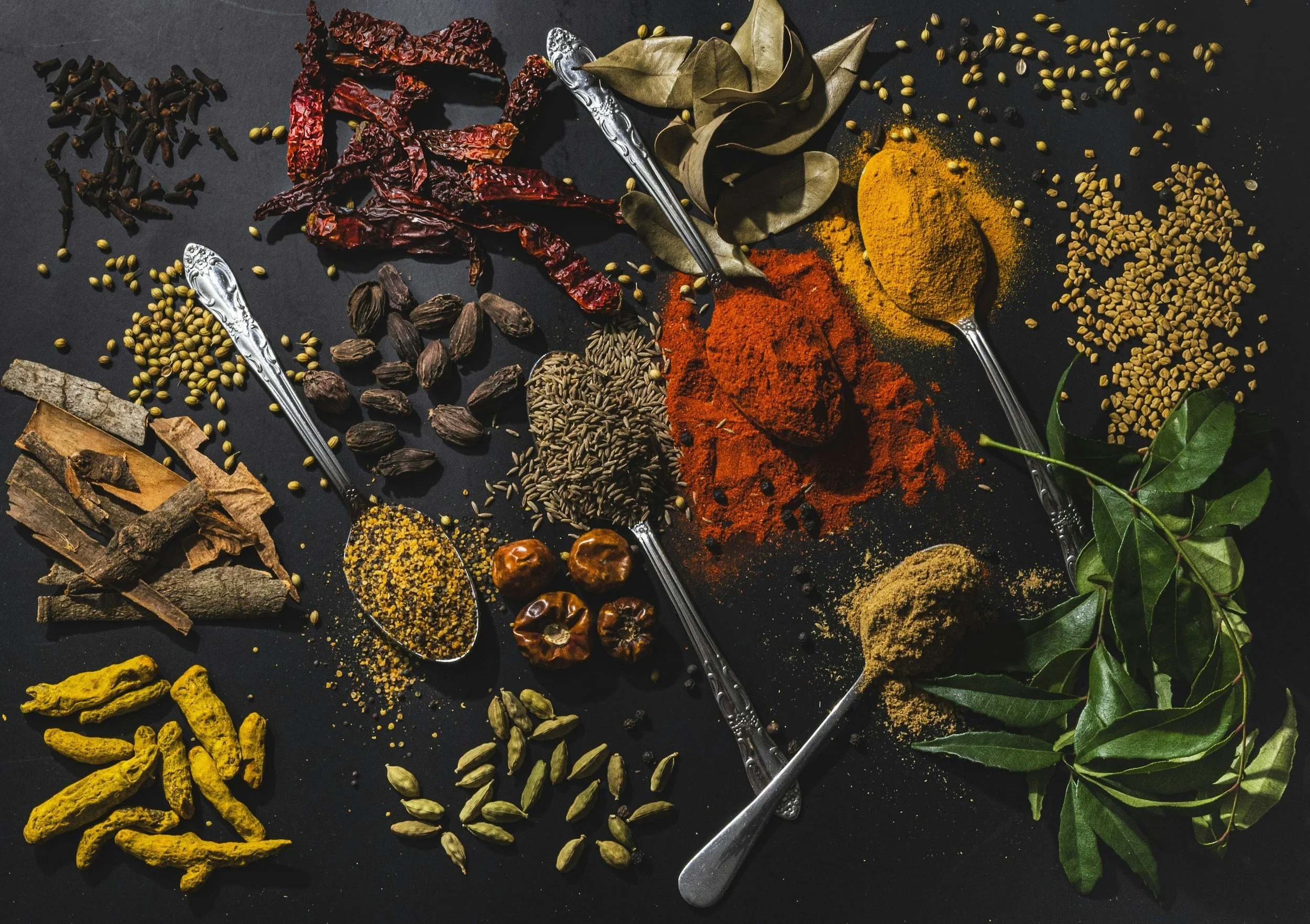
Herbs and spices can be beautiful allies for immunity and vitality when chosen with care.
Some herbs nourish and rebuild. Some support digestion. Some help clear stagnation. Some cool inflammation. Some warm the body and support circulation.
In Ayurveda, the best support depends on the person, the season, the dosha pattern, and the strength of digestion.
A depleted Vata pattern may need warming, moistening, and nourishing support.
An inflamed Pitta pattern may need cooling, soothing, and gently bitter support.
A stagnant Kapha pattern may need warming, lightening, and stimulating support.
Herbal tea is one of the simplest ways to bring this support into daily life. It combines taste, warmth, ritual, hydration, and intention.
At Conscious Nectar, our herbal blends are created with this kind of Ayurvedic intelligence in mind. Each blend is designed not only for flavor, but for relationship — with the body, the season, and the deeper rhythms of health.
Rest Is Part of Immunity

Rest is not separate from immunity. Rest is one of the ways immunity is restored.
When the body is constantly pushing, it does not have enough space to repair. When sleep is poor or rest is shallow, resilience can begin to decline.
Ayurveda reminds us that deep restoration builds ojas.
This may include sleep, Yoga Nidra, quiet time, gentle walks, nourishing meals, warm oil massage, or simply choosing not to overextend.
Sometimes the most powerful immune support is not adding more. It is doing less with more care.
Vitality Is More Than Energy
Vitality is not the same as stimulation.
Caffeine, sugar, urgency, and adrenaline may create temporary energy, but they do not always create true nourishment. Ayurveda invites us to ask a more subtle question:
Do I feel truly resourced?
Real vitality feels steady, not frantic.
Clear, not forced.
Warm, not burned out.
Alive, not overstimulated.
The goal is not to become endlessly productive. The goal is to feel connected to life.
A Simple Practice to Try Today
Choose one way to nourish your vitality today.
Make a warm meal.
Drink a cup of herbal tea.
Step outside and feel the sun or air.
Take a short walk.
Rest before you are exhausted.
Add digestive spices to your food.
Go to bed a little earlier.
Then pause and ask:
What helps me feel genuinely nourished?
Ayurveda begins with this kind of listening.
One meal at a time.
One rhythm at a time.
One season at a time.
One small act of vitality at a time.