
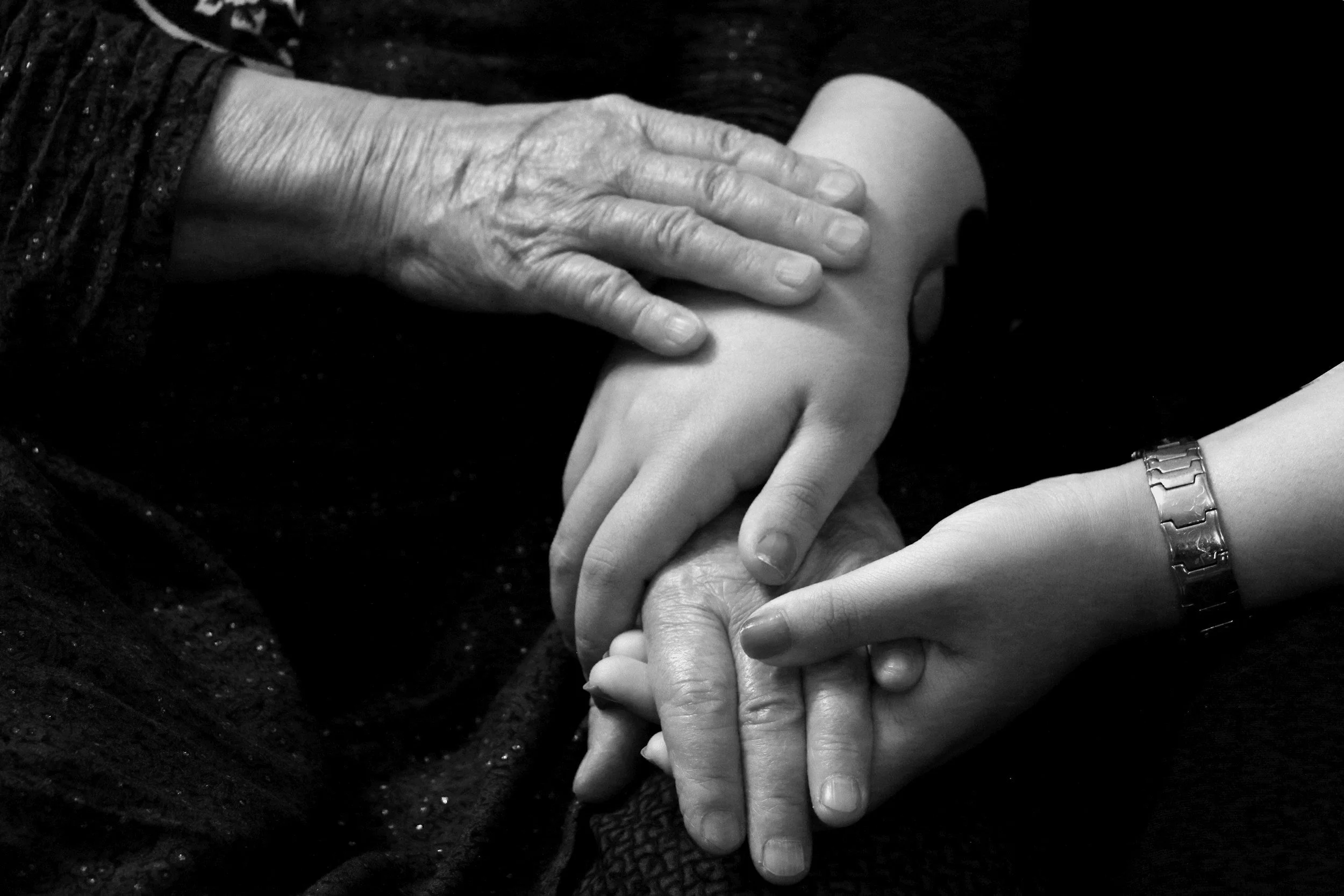
A woman’s body moves through many seasons.
Menstruation, fertility, postpartum, perimenopause, menopause, and the years beyond are not separate from health. They are part of the body’s natural rhythm of change, transformation, creativity, release, and renewal.
In Ayurveda, these transitions are not treated as problems to fix. They are times to listen more deeply.
Each stage of life brings different needs. There may be more heat, more dryness, more sensitivity, more fatigue, more emotional movement, or a stronger need for rest, nourishment, and steadiness. Ayurveda offers a compassionate way to understand these changes and support the body through food, herbs, rhythm, self-care, and lifestyle practices.
Rather than asking women to push through, Ayurveda asks:
What is this season asking for?
The Body Speaks Through Change
Many women are taught to ignore discomfort, override fatigue, dismiss emotional shifts, or normalize depletion. Ayurveda offers another way.
Symptoms are not failures. They are body clues.
They can show us where the body needs cooling, warming, grounding, nourishment, movement, rest, or support. They can also show us where life has become too fast, too dry, too intense, too stagnant, or too demanding.
Women’s health is deeply connected to digestion, sleep, stress, blood, hormones, nervous system regulation, emotional well-being, and the quality of daily rhythm.
When these areas are supported, transitions can feel less like something we have to survive and more like something we can be guided through.
Common Signs the Body May Need Support
During times of hormonal change or life transition, you may notice:
Hot flashes or night sweats
Mood changes, irritability, or emotional sensitivity
Anxiety or feeling “tired but wired”
Brain fog or difficulty focusing
Sleep changes or waking in the night
Fatigue or depletion
Dry skin, dryness in the body, or joint stiffness
Weight changes or feeling heavier than usual
Digestive changes, bloating, constipation, or reflux
Menstrual cycle changes
Cravings or blood sugar fluctuations
Loss of libido or creative spark
A sense of not quite feeling like yourself
These signs are worth listening to. They are invitations to come back into relationship with the body.
The Four Patterns of Women’s Imbalance
Ayurveda often looks at women’s transitions through the lens of Vata, Pitta, and Kapha, along with the deeper vitality of ojas. For practical understanding, it can be helpful to organize symptoms into four common patterns.
Heat and Intensity
This pattern often reflects elevated Pitta.
You may notice hot flashes, night sweats, irritability, inflammation, sharp hunger, acid reflux, frustration, or feeling easily overheated by life.
This pattern often needs cooling, soothing, spaciousness, and softness.
Support may include cooling foods, bitter greens, rose, coriander, fennel, gentle movement, rest from over-effort, time in nature, and practices that help the body release heat without suppressing its fire.
The deeper invitation is often: soften the intensity and make more room for ease.
Dryness and Depletion
This pattern often reflects elevated Vata or depleted ojas.
You may notice dryness, anxiety, insomnia, joint stiffness, constipation, overwhelm, fragility, light sleep, or feeling scattered and undernourished.
This pattern often needs warmth, oil, regularity, nourishment, and grounding.
Support may include warm cooked meals, healthy oils, abhyanga, earlier bedtime, steady routines, restorative yoga, Yoga Nidra, warm teas, and nourishing herbs chosen with care.
The deeper invitation is often: rebuild from the inside out.
Heaviness and Stagnation
This pattern often reflects elevated Kapha.
You may notice sluggishness, low motivation, weight gain, water retention, brain fog, congestion, emotional heaviness, or feeling stuck.
This pattern often needs movement, warmth, lightness, circulation, and gentle stimulation.
Support may include morning movement, warming spices, lighter meals, dry brushing, fresh air, uplifting routine, and teas or herbs that help awaken digestion and clear stagnation.
The deeper invitation is often: create movement without self-criticism.
Loss of Rhythm and Connection
This pattern can involve any dosha, but it often appears when life has become disconnected from the body’s natural needs.
You may feel like you are constantly responding to others, pushing through, over-giving, under-resting, or living without enough space for your own nourishment.
This pattern often needs reconnection.
Support may include daily anchors, boundaries, creative practices, time in nature, community, bodywork, breath, journaling, and rituals that remind you that your body matters.
The deeper invitation is often: return to yourself.
Perimenopause and Menopause Through an Ayurvedic Lens
Ayurveda understands the menopausal transition as a natural movement into the Vata stage of life. Vata is associated with air, space, movement, dryness, subtlety, creativity, and change.
This does not mean every woman will experience the same symptoms. It means the body may become more sensitive to dryness, irregularity, depletion, stress, and lack of rhythm.
At the same time, Pitta symptoms such as heat, irritability, inflammation, and night sweats may appear. Kapha symptoms such as heaviness, slower metabolism, or stagnation may also arise.
This is why Ayurveda does not use a one-size-fits-all approach.
The question is not only, “Are you in menopause?”
The deeper question is:
What pattern is your body expressing right now?
For a deeper look at this transition, read more about Ayurvedic support for perimenopause, menopause, and the changing seasons of a woman’s life.
Food as Hormonal Support
Food is one of the most powerful ways to support women’s transitions.
The goal is not restriction or perfection. The goal is nourishment, digestion, and stability.
Supportive food practices may include:
Eating warm, cooked meals
Prioritizing protein and healthy fats
Supporting stable blood sugar
Using digestive spices
Favoring seasonal foods
Reducing foods that increase heat, heaviness, or dryness depending on your pattern
Eating at regular times
Avoiding skipping meals
Choosing foods that feel grounding, satisfying, and easy to digest
When the body feels nourished, the nervous system often feels safer. When the nervous system feels safer, the hormonal system has more support.
Daily Rhythm as Medicine
Rhythm is one of the most important medicines for women’s health.
During times of transition, the body often does best with steady anchors: regular meals, consistent sleep, morning light, movement, rest, and moments of quiet.
This does not have to be elaborate.
A daily rhythm may begin with:
Warm water in the morning.
A nourishing breakfast.
A real lunch.
A walk after dinner.
Oiling the feet before bed.
Ten minutes of Yoga Nidra.
Turning off screens earlier.
Small rhythms repeated consistently help the body remember safety.
Herbs, Teas, and Supportive Ritual
Herbs can be beautiful allies during women’s transitions, but they are best chosen according to the person, the season, the digestive strength, and the pattern of imbalance.
Some herbs may help cool heat.
Some may help nourish depleted tissues.
Some may support digestion.
Some may calm the nervous system.
Some may gently move stagnation.
Tea is one of the simplest ways to bring herbal support into daily life. It offers warmth, ritual, hydration, taste, and a moment to pause.
At Conscious Nectar, our herbal blends are created with this kind of Ayurvedic awareness. Each blend is designed not only for flavor, but for relationship — with the body, the season, and the deeper rhythms of healing.
Touch, Rest, and Rebuilding Ojas
Women are often praised for how much they can carry. Ayurveda reminds us that carrying too much for too long can deplete ojas.
Ojas is the subtle essence of vitality, immunity, resilience, nourishment, and inner steadiness. It is built through rest, digestion, healthy tissues, loving connection, herbs, seasonal care, and practices that help the body feel safe.
Warm oil massage, restorative yoga, Yoga Nidra, marma therapy, gentle breathwork, and time in nature can all help rebuild this deeper vitality.
You can also learn more about Yoga Nidra and how it supports deep rest, nervous system balance, and restoration.
The body does not only need to be managed.
It needs to be tended.
This Season Can Be Powerful
Women’s transitions are not only about symptoms. They are also about wisdom.
As the body changes, there can be a new clarity about what matters. There may be less tolerance for over-giving, over-performing, or living out of alignment. There may be a longing for truth, creativity, freedom, rest, or a deeper relationship with the self.
Ayurveda can support this process by helping the body feel less inflamed, less depleted, less scattered, and more resourced.
When the body feels supported, the deeper gifts of this season can become easier to hear.
A Simple Practice to Try Today
Pause and place one hand on your heart and one hand on your lower belly.
Take a slow breath.
Ask yourself:
What is my body asking for in this season?
Maybe the answer is rest.
Maybe it is warmth.
Maybe it is movement.
Maybe it is cooling.
Maybe it is nourishment.
Maybe it is space.
Choose one small act of care today that honors the answer.
Ayurveda begins with listening.
One breath at a time.
One rhythm at a time.
One season of life at a time.